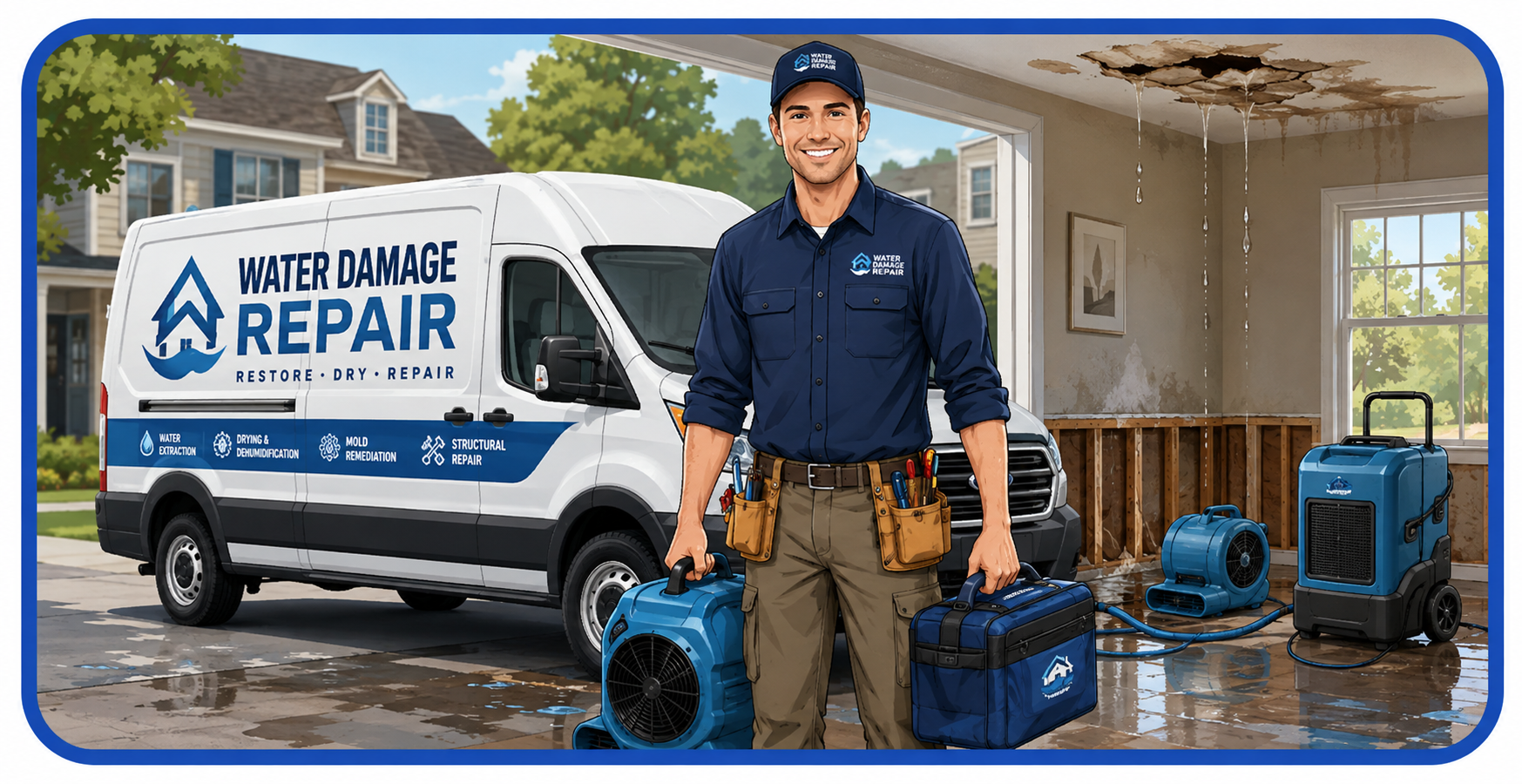
A flooded basement doesn't wait for business hours, and neither do we. Aqua Guard Water Damage keeps trucks staged around Trenton so a licensed technician can be pulling standing water within the hour, not scheduling you for next Tuesday.
Call +1-844-234-5373 Now
Our Trenton technicians hold IICRC water restoration certifications and carry that training into every job, from a Category 1 clean-water leak to a Category 3 sewage backup. We're not a call center routing you to a random subcontractor; we're the crew that shows up.
Being local to Trenton means our estimators know the going rate for drywall and flooring replacement in your area, so the quote you get reflects your market instead of a national average that never quite matches your invoice.
We invest in ongoing training as drying standards and equipment evolve, rather than treating a technician's initial certification as the finish line.

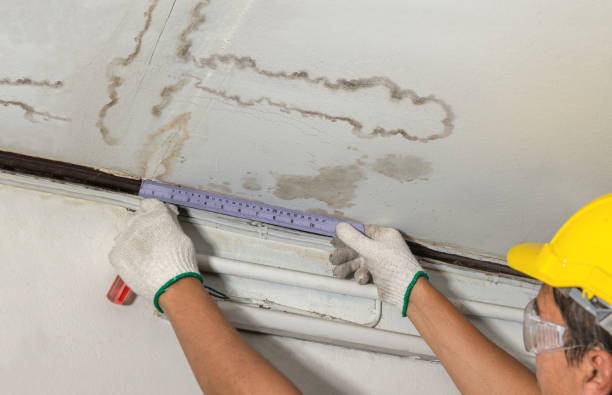
Ceiling stains near a bathroom or kitchen almost always trace back to a plumbing failure rather than a roof leak, which means the source is often closer and easier to fix than homeowners assume.
If opening windows and running a fan doesn't clear the smell within a day, the moisture source is still active and needs professional extraction, not just ventilation. A smell that returns after cleaning is a strong sign the moisture is still present.
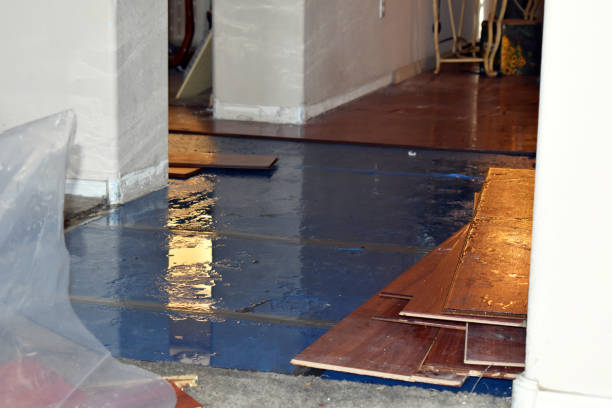
Hardwood that's cupping at the edges or laminate that's separating at the seams is a classic sign of moisture intrusion from below, whether that's a slab leak or groundwater seepage. The longer it sits, the harder the flooring is to salvage.
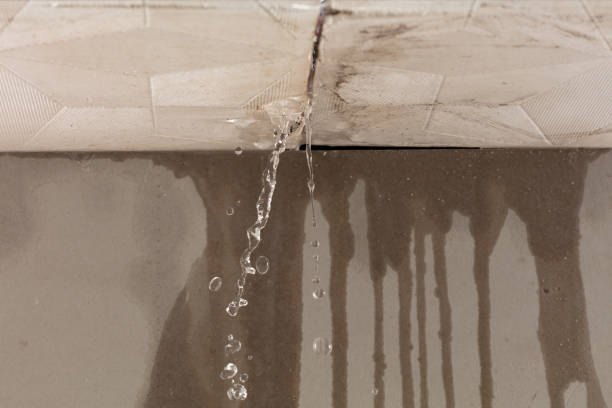
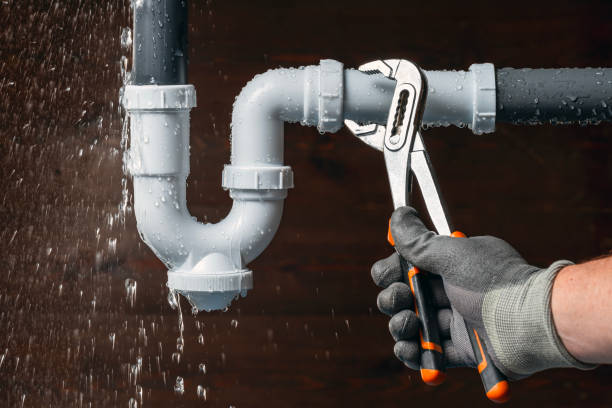
A running-water sound when every fixture in the house is off is a strong sign of a hidden leak feeding your rising bill.
Paint that bubbles or peels away from a wall, especially near baseboards, usually means moisture is pushing through from behind rather than a simple application problem.
Dark spotting in grout lines or around window frames is often the first visible sign of a moisture problem that's been developing for weeks.
Our Basement Flooding process covers every stage of a water loss, from the first extraction pass to the final coat of paint, so you're never left coordinating separate contractors mid-project.
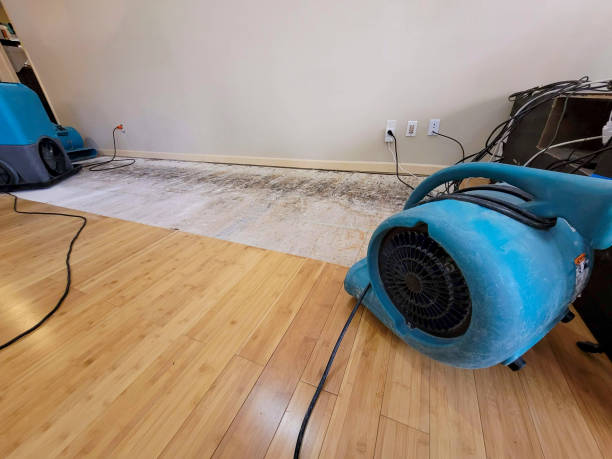
Our crews arrive with truck-mount extraction units capable of pulling thousands of gallons per hour, using moisture meters to classify the water as Category 1, 2, or 3 before drying even starts.
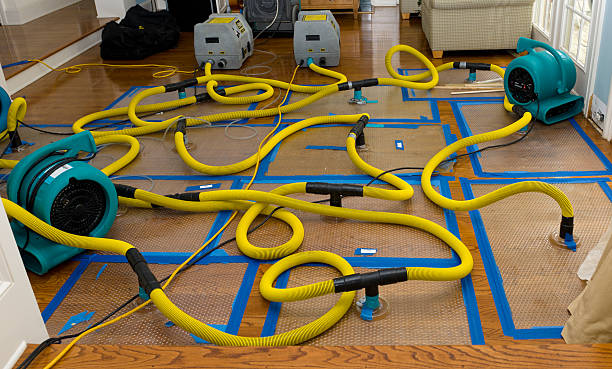
Equipment placement isn't guesswork; it's calculated from psychrometric readings taken at the start of the job and adjusted daily as conditions change.
Our sewage cleanup protocol follows IICRC S500 contamination standards, isolating the affected area, removing unsalvageable materials, and disinfecting every surface that had contact with blackwater.
If mold has already taken hold, our containment and remediation process isolates the affected zone with negative air pressure before any demolition begins, keeping spores from spreading to unaffected rooms.
Once the structure tests dry, our reconstruction team handles drywall, insulation, flooring, and trim so you're not managing a second contractor after the restoration crew leaves.
Specialized cleaning techniques can often save upholstery, electronics, and documents that look like a total loss at first glance, which keeps out-of-pocket replacement costs down.


Dispatch asks enough to prep the right equipment before the truck even leaves, so the crew isn't guessing what they'll find on arrival.
We document the loss with photos and moisture readings before touching anything, which also protects your insurance claim.
Extraction and drying run as one continuous process rather than two separate visits, which keeps the timeline tighter.
We re-test every affected area before calling a job complete, then coordinate repairs so you're not left with an open punch list.
We operate under proper licensing and insurance in every market we serve, with documentation available on request.
Local staging means shorter drive times, which matters most in the first hour after a water loss.
You get a written estimate before work begins, not a surprise invoice after the drying equipment is already running.
If a drying target isn't met on the first pass, we extend equipment placement at no extra charge until moisture readings confirm the structure is dry.
If our moisture readings don't hit a safe drying standard on schedule, we keep equipment on site at no additional cost until they do — that's the standard we hold ourselves to.
That same standard applies whether it's a single flooded bathroom or a full commercial loss — the sign-off criteria don't change based on job size.
Call +1-844-234-5373Our Trenton coverage area spans 45067, with trucks positioned to reach any address in the service radius quickly.
Coverage isn't limited to the city center — our Trenton routes extend out to the surrounding suburbs so outlying addresses aren't treated as an afterthought.

"I called in a panic at 11pm and someone actually picked up. The tech here in Trenton had air movers set up before midnight and explained exactly what they were doing and why."
James R., Trenton"They caught mold starting behind our drywall before it spread and contained it properly instead of just painting over the problem like a previous contractor did."
Denise M., Trenton"The sewage backup in our laundry room was handled with full PPE and proper disposal of the ruined flooring. I appreciated that they explained the Category 3 contamination process before starting."
Marcus T., Trenton"Fast response, clear pricing, and they coordinated directly with my insurance adjuster which saved me a huge headache during a stressful week."
Priya S., Trenton"The thermal imaging inspection found damage behind a cabinet we never would have thought to check, which probably saved us from a much bigger mold problem down the road."
Carlos V., Trenton"Our commercial unit flooded overnight and they had industrial equipment running before our staff arrived for the morning shift."
Angela F., Trenton"The tech explained exactly which boards needed to come out and which ones tested dry enough to keep, so we didn't pay to replace more than necessary."
Tyrone B., Trenton"Storm runoff got into our crawl space and the smell alone told us something was wrong. The crew found the vapor barrier had failed and fixed the actual cause, not just the symptom."
Wendy K., Trenton